Higher rates, falling prices, rising rents: making sense of Perth’s housing market
On Tuesday 3 November, the Reserve Bank lifted the cash rate by 0.25 percentage points to 4.85%. It’s the fifth rise of 2026 and takes the cash rate to its highest level since 2008. At the start of the year it was 3.60%.
If you’ve got a mortgage, you’ll feel it. And if you’ve been following the news, you might be asking a fair question: if rates keep going up and house prices are cooling, why is housing still the biggest driver of inflation?
Inflation is 4.3%. That’s the annual figure to September, up from 4.0% in August. Underlying inflation (the measure the RBA watches most closely) is 3.6%, still above the 2–3% target.
Housing is the biggest contributor. Housing costs rose 5.2% over the year.
The RBA expects it to take a while. It doesn’t expect inflation to be back within its target range until late 2027.
It was a close call. The RBA board split six votes to three, with three members preferring to hold.
Housing inflation isn’t about house prices
This is the part that surprises most people.
When the Bureau of Statistics measures “housing” inflation, it isn’t measuring what existing homes sell for. It measures the cost of building new homes, rents and household bills like electricity.
That’s why housing inflation can keep rising even while established home prices cool. And those three costs are being pushed up by things interest rates don’t directly fix.
Building costs are still climbing. New dwelling costs are up 4.7% over the year. Builders are competing for the same tradies as big government infrastructure projects, which can often offer higher pay and more secure work.
That’s especially true here in WA. Housing competes with infrastructure, energy and resources for a stretched workforce, and as the Housing Industry Association’s WA team put it in September, when builders can’t find workers, “homes take longer to build, costs rise.”
Rents are still rising. Fewer investors are buying, partly because of the federal changes to negative gearing and the capital gains tax discount. New investor loan commitments fell 8.6% in the June quarter. Fewer investors means fewer rentals, and that keeps pressure on rents.
Higher rates can slow new supply. Rate rises make it more expensive to fund new developments and reduce demand for new homes. As Nerida puts it: “Higher interest rates may reduce demand in the short term, but they risk making these structural problems worse.”
What we’re seeing in Perth
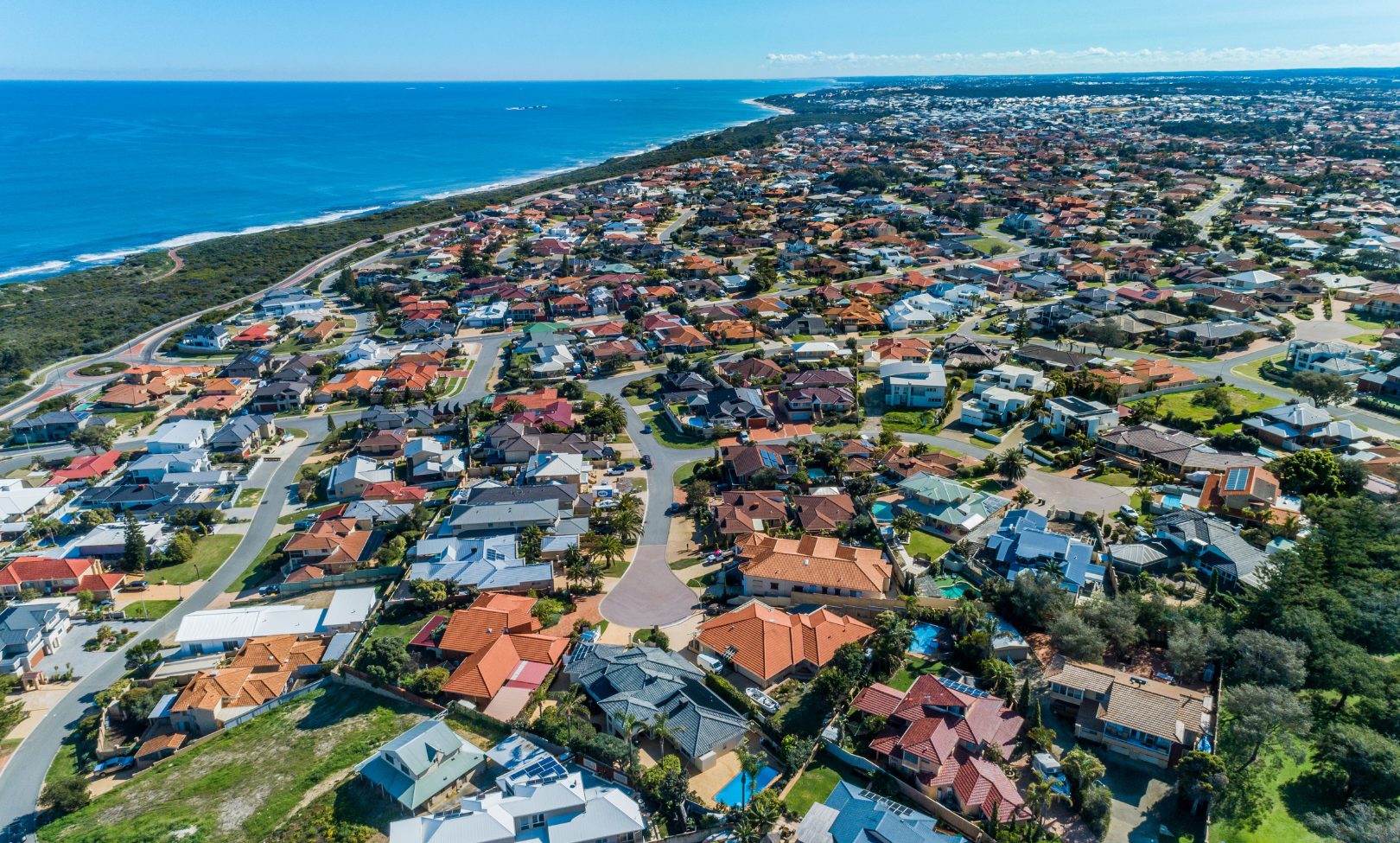
The national story lines up closely with what we’re seeing across Perth’s northern suburbs.
Prices have cooled, but they’re still up on last year. REIWA’s September quarter figures showed Perth’s annual house price growth more than halved, from 5.0% to 2.1%. The median house price was still $965,000 in September, up 17.7% on a year earlier.
Buyers have more choice. Listings were up 184.6% on a year ago at the end of September, and houses took a median of 26 days to sell.
Rentals are still tight. Perth’s vacancy rate was just 1.7% in September, well below what REIWA considers balanced. Rents held at $750 a week for houses, but there still aren’t enough rentals to go around.
So we have rates going up, prices cooling and rentals still scarce, all at the same time.
What this means for you
If you have a mortgage As a rough guide, a 0.25% rise adds about $100 a month to repayments on a $600,000 loan. Across all five rises this year, that same loan is costing around $490 a month more than it was in January. If your budget is feeling the squeeze, talk to your lender or broker early. Don’t wait until it becomes a problem.
If you’re buying Higher rates mean less borrowing power, so get your pre-approval updated after this week’s rise. The upside is that you have more choice and more time than buyers have had in years, and often more room to negotiate.
If you’re selling Buyers are more cautious and more price-sensitive. Pricing to today’s market, not what a neighbour got in March, will matter more than ever. Well-presented, well-priced homes are still selling.
If you’re a landlord or investor With fewer new investors coming into the market and vacancies still low, rental demand should stay strong. Rents have levelled off, though, so build today’s rents into your numbers rather than last year’s growth. (We covered this in more detail in Low vacancies, flat rents: what Perth landlords need to know right now).
The bottom line
Rate rises can slow demand, but they can’t build more homes or train more tradies. For Perth households, that means rates may stay higher for longer, rents may stay firm and the market will keep rewarding good advice and realistic pricing.
Perth’s property market changed pace in the September quarter. Listings have nearly tripled, homes are taking longer to sell and rate rises are weighing on buyers, yet prices are still well up on a year ago. Here’s what it means across our northern coastal suburbs.
Want to work in WA real estate? Here’s how registration and licensing work in 2026, the courses you need, what it costs and how to land your first role.