Snake Season on the Coast: How to Stay Safe This Spring and Summer
Snakes are on the move as the weather warms up. Here’s how to snake-proof your yard, stay safe on coastal walks, what to do if you see one, and the key numbers to keep on hand.

Updated: July, 2026
As we move through 2026, Perth’s property market continues to stand out as one of Australia’s strongest performers.
While many eastern state markets are beginning to slow, Perth continues to record steady growth, supported by strong owner-occupier demand, limited housing supply and ongoing population growth.
At the same time, proposed property tax reforms, including changes to negative gearing and capital gains tax announced as part of the Federal Budget, have created plenty of questions for buyers and investors. Many are wondering how these changes could influence the property market over the next few years.
So, what does the outlook really look like for Perth?
Here’s what we’re seeing on the ground and what it could mean if you’re planning to buy, sell or invest over the next 12 to 24 months.
Perth continues to outperform much of the country, although the pace of growth is becoming more sustainable than the rapid gains seen over the past few years.
Across the market we’re continuing to see:
Recent research also suggests Perth remains on a different trajectory to many other Australian capitals. Several suburbs are expected to reach a median house price of $1 million within the next 12 months, while some eastern state markets are experiencing slower growth or price declines.
Growth may be moderating, but Perth’s underlying fundamentals remain strong.

One of the biggest talking points this year has been the proposed property tax reforms announced by the Federal Government, including changes to negative gearing and capital gains tax for future property investors.
While these reforms are not expected to take effect until 2027, they’ve already prompted many investors to review their plans.
For Perth, the impact may be different to other capital cities.
Many eastern state markets have historically been more reliant on investor activity. Perth, by comparison, has experienced much of its recent growth through strong owner-occupier demand, population growth and a shortage of available housing.
That doesn’t mean Perth will be unaffected. Investor confidence, interest rates and affordability will all continue to influence market conditions over the coming years. However, Perth’s underlying demand means the market appears well placed compared with many parts of the country.
As always, property decisions should be based on your own financial circumstances and long-term goals, rather than reacting to headlines alone.
Looking ahead to 2026, most indicators point to steady, sustainable growth rather than sharp spikes.
Key expectations for the Perth market include:
Rather than a boom-and-bust cycle, Perth is expected to move through a more balanced growth phase, which is healthy for both buyers and sellers.
Several factors are shaping Perth’s property outlook:
Western Australia continues to attract new residents thanks to employment opportunities, lifestyle appeal and relative affordability compared to eastern states.
New housing construction has struggled to keep pace with demand, meaning established homes remain highly sought after.
While interest rates may fluctuate, Perth buyers have shown resilience, particularly owner-occupiers focused on long-term value rather than short-term market shifts.
Coastal living, outdoor space, home offices and proximity to schools and amenities continue to influence buyer decisions.

If you’re considering selling in 2026, it’s still a favourable market, but buyers are becoming more selective.
Homes that are well presented, priced strategically and marketed effectively continue to attract strong interest, while properties that miss the mark on price or presentation can take longer to sell.
To give yourself the best chance of a successful sale:
While Perth’s market remains resilient, we’re moving into a more balanced phase where preparation, strategy and local expertise can make a significant difference to the final result.
For buyers, 2026 continues to present opportunities, but it’s important to take a long-term view rather than trying to time the market perfectly.
To put yourself in the strongest position:
While affordability remains a challenge, Perth continues to offer better value than many other capital cities. For buyers planning to hold their property over the long term, the fundamentals of the Perth market remain encouraging.
Perth continues to offer many of the fundamentals investors look for, including:
The proposed tax reforms have understandably caused some investors to pause and reassess their strategy. However, many are also bringing forward purchasing decisions ahead of the planned 2027 changes.
As always, the right investment decision depends on your personal circumstances, finance position and long-term objectives. Seeking professional financial and tax advice is an important part of that process.
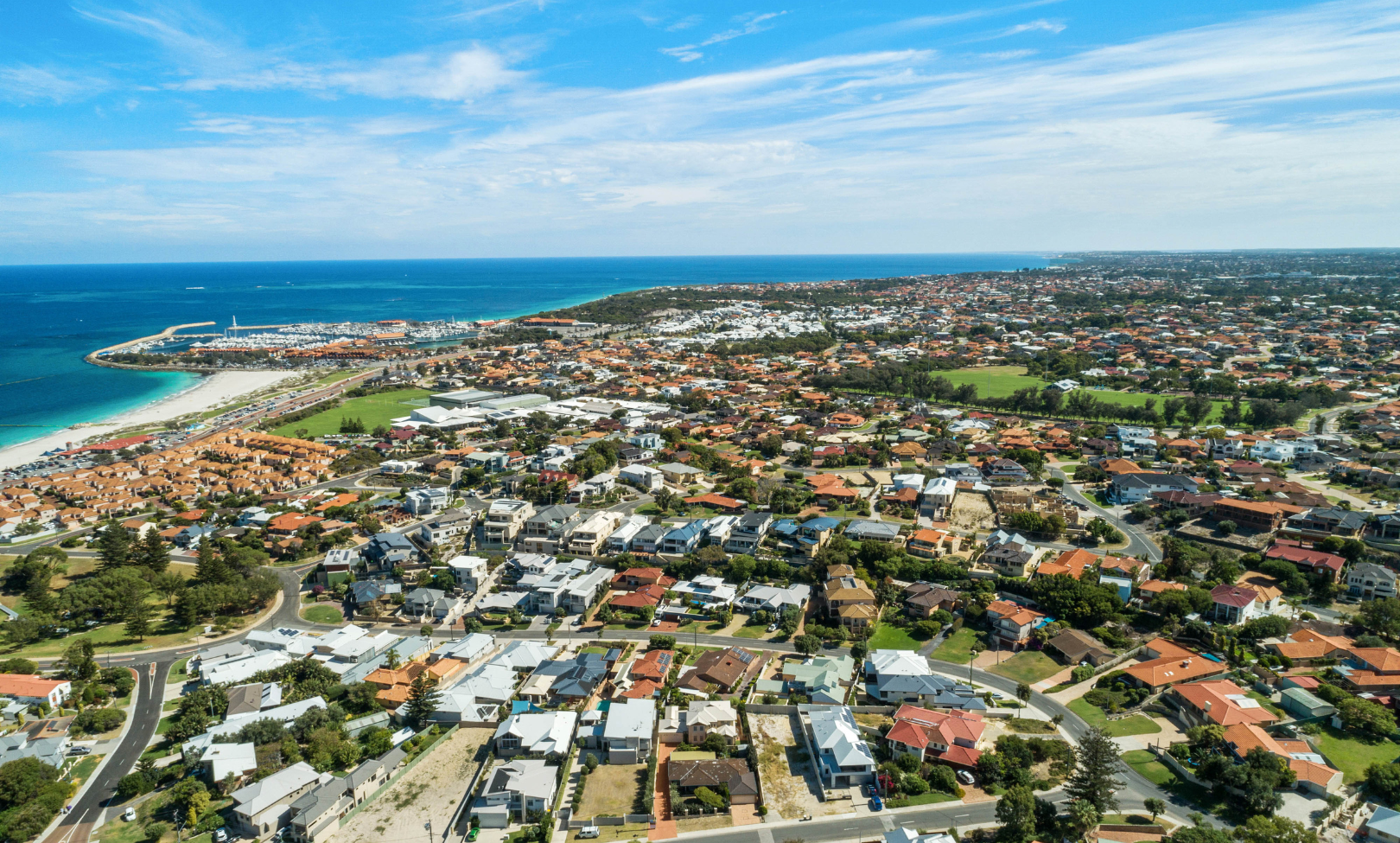
While no market is immune to changing economic conditions, Perth continues to enter the next phase of the property cycle from a position of strength. Growth may become more measured than we’ve experienced in recent years, but strong demand, limited housing supply and an enviable lifestyle continue to underpin confidence across many Perth suburbs.
Whether you’re planning ahead for 2026 or simply want to understand what your property could be worth in the current market, our team is here to help.
Snakes are on the move as the weather warms up. Here’s how to snake-proof your yard, stay safe on coastal walks, what to do if you see one, and the key numbers to keep on hand.
Perth homebuyers have more choice this spring than they’ve had in years. Here’s how video and virtual tours help your property stand out, reach more buyers and keep your campaign moving.